Crisis Connections History
Keeping help on the line for over 60 years. Since 1964, we've kept the line open for people with nowhere else to turn. People trust we will be here when a mental or emotional crisis emerges, a human connection is needed, or they are struggling to keep food on the table. We are here for every uncertain, painful moment and every hopeful step toward healing.
We've answered the calls of youth and adults, concerned loved ones and neighbors, as well as counselors, healthcare workers, and first responders—day and night since 1964.
The founders of Crisis Clinic established a chain of accessible support and care that has continued to grow over the past six decades. We serve our community with deep commitment and respect for personal dignity—responding to every person with empathy and compassion.
Follow the Crisis Connections journey from one phone line in 1964 to 10 programs today that support over 650,000 people—each with their own experiences and hopes for a better tomorrow.
The 1960s: Building a Lifeline for the Community

In 1963, Jill Marie Patten, a 12-year-old, was brutally stabbed by a distraught postal worker. Fortunately, Patten survived, and her parents began to investigate the circumstances surrounding the attack. They would come to learn the person who assaulted their daughter had sought mental health support but found none. Knowing help could have prevented the assault, the Pattens responded to the urgent need for mental health support in the community. They raised the idea of creating an emergency service to aid people afraid of hurting themselves or others—a first step toward establishing a lifeline for anyone in need.
With the leadership of University of Washington professor Dr. David J. Danelski, the Pattens and community members began the work of creating the nation's second crisis help line, Crisis Clinic.
Mobilizing Mental Health First Aid
With the board in place, 1964 was the year the Crisis Clinic took root. Eight people, led by Board President Rev. Neal Kuyper, raised $115 to fund startup operations. Dr. Mack Knutsen volunteered as the clinic’s mental health liaison with the State of Washington. In March, the phone number appeared in the Seattle phone book for the first time. Board members took daytime calls in four-hour shifts, while an answering service routed nighttime calls to on-call professionals including social workers, doctors, and clergy.
Quick Fact
Early on it was suggested to install a Crisis Clinic phone on the Aurora Bridge for people contemplating suicide. Six phones were finally installed on the bridge in 2006. People experiencing thoughts of suicide now have the option to call 988 or 911.1
Building a Lifeline, Attracting National Attention
Nearly 2,000 calls came into Crisis Clinic in 1965—a dramatic uptick from the clinic’s first months. The clinic gained national visibility after Life magazine published an article by Shana Alexander featuring the work of Crisis Clinic.
The article inspired The Slender Thread, starring Sidney Poitier and Anne Bancroft. Filmed in Seattle and based on the true story of a distressed housewife self-harms and calls the crisis line for help. She is heroically guided to safety and support by a University of Washington student volunteer.
In 1966, the film’s premiere doubled as a benefit for Crisis Clinic with over 1,000 people in attendance at the Orpheum Theatre. Paramount Pictures paid Crisis Clinic an astonishing $7,500 for the use of their name.
The 1970s: A Time of Rapid Growth
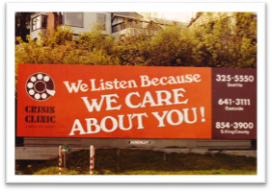
The 1970s brought rapid expansion, with new hotlines for youth, an Eastside office, information and referral services, and specialty lines like Cancer Lifeline. Crisis Clinic became a central hub for 24/7 support and community information, answering tens of thousands of calls every year.
The 1980s: Innovating During a Recession
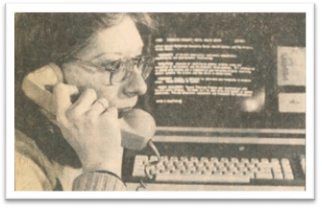
In the 1980s, Crisis Clinic weathered deep funding cuts and a major recession even as calls surged from people struggling with basic survival. The organization invested in one of the first computerized resource databases, launched services like Survivors of Suicide groups and the Day Care Referral Line, and laid the groundwork for the Where to Turn directories.
The 1990s: Centralizing Crisis Response and Support for Teens
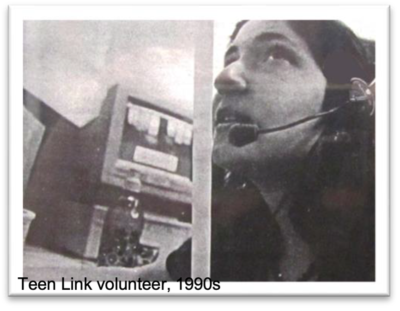
The 1990s saw Crisis Clinic deepen its role in the public mental health system with centralized crisis response, new technology, and contracts to support after-hours care. Teen Link and youth suicide prevention trainings were launched, the Bed Bank and housing supports expanded, and the agency responded to community-wide grief after events like the death of Kurt Cobain.
2000s: Influencing Nationwide Crisis Response and Developing 211

In the 2000s, Crisis Clinic helped shape national and statewide crisis response by answering 1-800-SUICIDE, and participated in building Washington’s 211 system, and partnering on disaster and public health lines. Teen Link secured stable funding and awards, and the Community Information Line became King County 211, connecting hundreds of thousands of people to essential resources.
The 2010s: Evolving in Name and Services

The 2010s brought chat, text, and statewide helplines like the Washington Recovery Help Line and Washington Warm Line, along with record call volumes and growing partnerships in housing, coordinated entry, and suicide loss support through programs like CC Cares. Crisis Clinic became Crisis Connections, rebranding to reflect a broader network of programs, cutting-edge technology, and a renewed commitment to whole-person care.
The 2020s: Meeting Unprecedented Need in Uncertain Times

In the 2020s, Crisis Connections has been on the front lines of overlapping crises—COVID-19, economic instability, racial injustice, and a growing behavioral health emergency—supporting hundreds of thousands of people each year through 211, crisis lines, Washington Listens, Care Connect, and more. With the launch of 988, expansion of mobile crisis teams, 911 diversion, and new Community Care Hubs, Crisis Connections continues to evolve as Washington’s hub for emotional support, resource navigation, and compassionate connection in increasingly uncertain times.